 sarah
sarah Vancouver’s cultural identity flows from the collision of mountains, ocean, and over 50 languages spoken daily on its streets, a mosaic that shapes everything from the city’s celebrated literary scene to how locals dress for a rainy gallery opening. This West Coast hub has cultivated a distinct creative energy that’s less about Toronto’s polished formality and more about layered authenticity, where Indigenous art movements meet Asian-Canadian storytelling, where tech money mingles with artist collectives in former industrial warehouses.
The city’s cultural DNA runs through its thriving writing community (Douglas Coupland, Joy Kogawa, and a new generation of diverse voices), its fiercely independent arts districts, and a lifestyle philosophy that prizes sustainability and outdoor access as much as urban sophistication. Unlike other Canadian cities that lean hard into European traditions, Vancouver looks west across the Pacific, creating a cultural hybridity you’ll spot in Chinatown galleries, Punjabi Market festivals, and Coast Salish art installations reclaiming public space.
This cultural complexity directly influences fashion in Canada from the West Coast outward. Vancouver brands build around technical fabrics that transition from seawall to coffee shop, natural palettes inspired by coastal landscapes, and an anti-pretension ethos that values function without sacrificing style. The city’s cultural output, from its literary magazines to its fashion labels, reflects the same principle: merge global influences with local landscape, strip away excess, and create something genuinely new. Understanding Vancouver’s culture means grasping how place and people converge to create style that’s distinctly, unapologetically itself.
The Literary Soul of Vancouver: Stories That Shape Style
West Coast Narratives in Print and Pattern
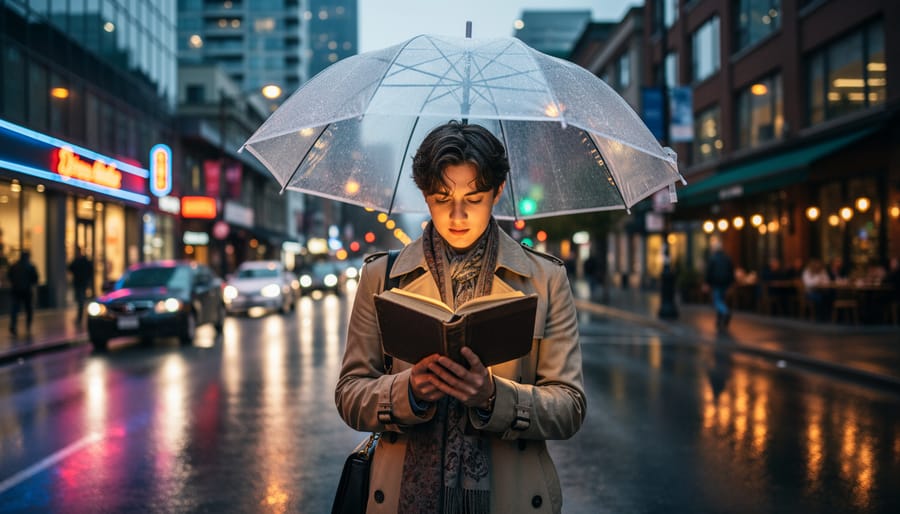
Vancouver’s literary landscape reads like a colour palette, mist-grey mornings, deep forest greens, ocean blues that shift with the light. Writers like Douglas Coupland captured the city’s tech-meets-nature tension in the ’90s, a duality that still defines how Vancouverites dress today. Think sleek athleisure paired with vintage band tees, or a tailored blazer thrown over hiking boots. The city’s books don’t just tell stories; they set a visual mood that designers translate into fabric and form.
Contemporary Vancouver literature explores themes of belonging and identity, particularly for second-generation immigrants navigating multiple cultural codes. This narrative complexity shows up in fashion through unexpected pattern mixing, traditional textiles reimagined in modern silhouettes, or minimalist Scandinavian cuts layered with vibrant South Asian prints. Local designers draw from the same multicultural pool of inspiration that fuels the city’s poetry slams and book launches.
Nature writing remains Vancouver’s strongest literary export, from Emily Carr’s forest mysticism to current environmental memoirs. This reverence for the outdoors translates into fashion choices that prioritize function without sacrificing style, waterproof fabrics in sophisticated cuts, earth-toned capsule wardrobes, and sustainable materials that honour the landscape inspiring them. The city’s writers and designers share a common language: authenticity rooted in place.
Indigenous Voices and Cultural Reclamation
Indigenous writers and artists are reshaping Vancouver’s cultural narrative, reclaiming space in a city built on unceded Coast Salish territories. Contemporary voices like Lee Maracle and Eden Robinson have brought Salish storytelling traditions into mainstream Canadian literature, creating a foundation for broader cultural expression that extends into fashion and design.
Traditional Coast Salish art, with its formline designs, button blankets, and woven cedar elements, now appears in contemporary Canadian fashion collections, often created by Indigenous designers who blend ancestral techniques with modern silhouettes. Brands like Ay Lelum and Eighth Generation showcase how generations-old patterns translate into current streetwear, jewelry, and accessories. This isn’t appropriation disguised as trend; it’s cultural reclamation led by Indigenous creators who control their narratives.
Vancouver’s fashion scene increasingly features Indigenous-owned labels and collaborations that honour the stories embedded in every design choice. Button blanket patterns appear on bomber jackets. Cedar bark weaving techniques inspire sustainable textile innovations. Formline art adorns everything from sneakers to scarves, each piece carrying meaning that predates Canadian confederation by millennia.
When you wear Indigenous-designed fashion, you’re participating in a living cultural practice rooted in storytelling that has survived despite colonial attempts to erase it.
Vancouver’s Multicultural Tapestry: Fashion Through a Global Lens
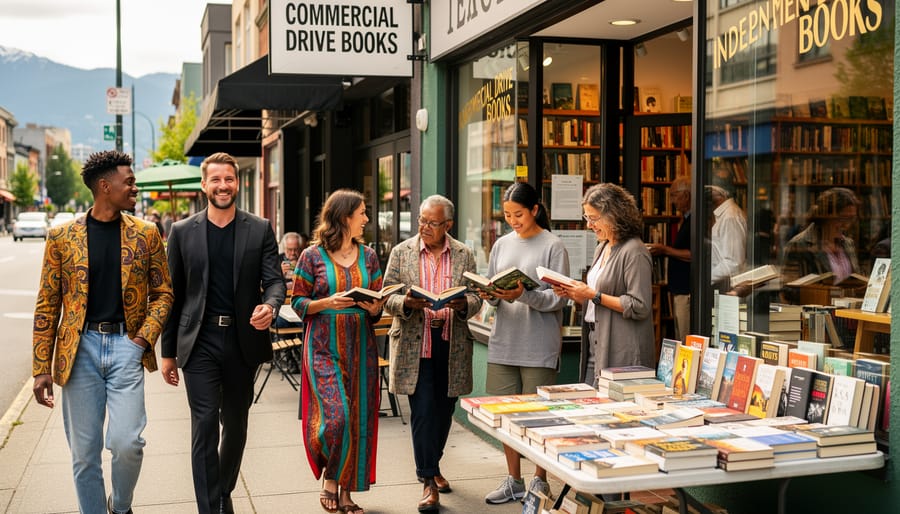
Vancouver’s immigrant population exceeds 46% of the total city population, creating a ethnocultural diversity in cities that rivals anywhere in the world. This isn’t just a demographic fact, it’s the driving force behind a fashion scene where sari silk meets streetwear and traditional Korean hanbok-inspired silhouettes show up in contemporary Canadian collections.
Walk through Richmond’s Aberdeen Centre and you’ll find luxury boutiques stocking Asian designers alongside Canadian brands that incorporate qipao necklines and kimono sleeves into everyday pieces. The fashion here isn’t costume or appropriation; it’s lived culture. Second-generation Canadians blend their parents’ heritage with West Coast ease, creating looks that pair a vintage cheongsam jacket with Lululemon leggings and Stan Smiths.
Commercial Drive tells a different story. Originally an Italian enclave, “The Drive” now buzzes with Latin American, Portuguese, and Ethiopian communities whose textile traditions influence local designers. Vintage shops sell embroidered huipils next to thrifted denim, while independent boutiques stock Canadian brands that draw from global craftsmanship, hand-dyed fabrics reminiscent of batik, macramé work echoing South American techniques, bold prints that nod to West African wax patterns.
Punjabi Market on Main Street showcases how traditional dress evolves in a Canadian context. You’ll spot women wearing salwar kameez with sneakers and winter parkas, or adapting dupatta scarves as statement accessories over minimalist Western outfits. Local designers have launched lines that reinterpret South Asian embellishments for contemporary wear, kurta-style tunics in breathable Canadian linen, palazzo pants in fabrics that transition from temple to office.
What makes Vancouver’s multicultural fashion compelling is its refusal to flatten difference into fusion for fusion’s sake. Korean-Canadian designers in neighborhoods like New Westminster create pieces that honor hanbok construction techniques while addressing practical North American lifestyles. Iranian-Canadian jewelers incorporate Persian calligraphy into modern pieces. Filipino-Canadian makers reference terno sleeves in evening wear that feels distinctly West Coast.
This isn’t diversity as buzzword. It’s the daily reality of a city where your outfit might pull from three continents and two generations, where cultural literacy means recognizing the difference between a borrowed motif and a lived heritage, and where the best-dressed people understand fashion as conversation rather than costume.
The Natural Aesthetic: How Vancouver’s Landscape Defines Its Look
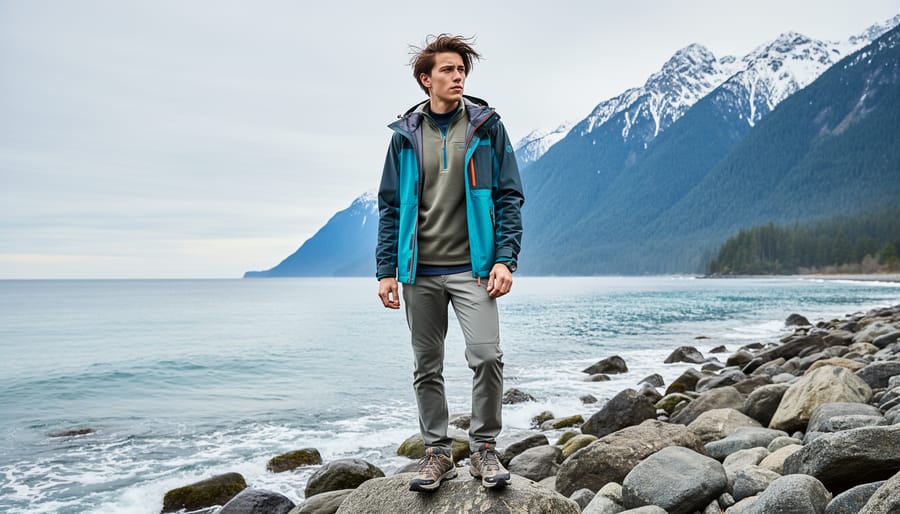
Vancouver’s style DNA is written in its geography, where snow-capped peaks meet Pacific waters and temperate rainforests stretch into urban neighborhoods. This isn’t a city where you choose between hiking boots and heels; it’s where both live in the same closet, often worn on the same day. The result is a distinctly West Coast approach to dressing that prioritizes movement, weather-readiness, and effortless transitions from trail to cafe to gallery opening.
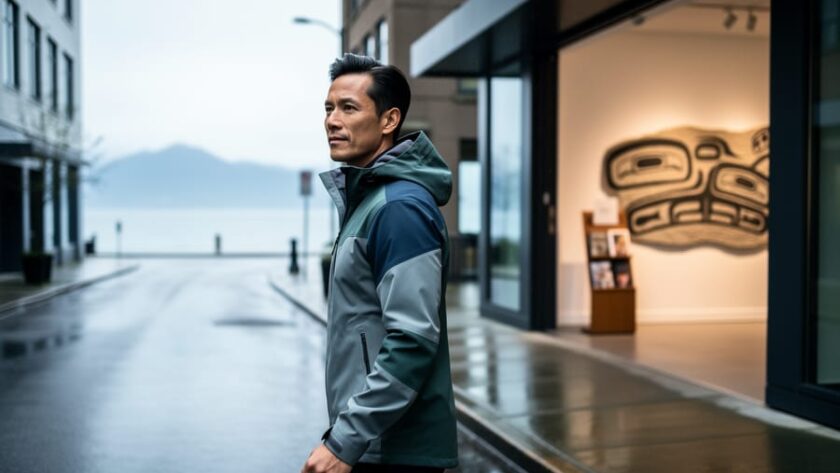
The climate demands versatility. Morning fog burns off into afternoon sun before evening drizzle rolls in, and temperatures can shift fifteen degrees between the seawall and the mountains. Vancouverites have mastered the art of layering, not as a fashion statement first, but as survival technique that happens to look good. A merino base layer under a linen shirt, topped with a technical shell that packs into its own pocket, represents both practical wisdom and aesthetic choice. This functionality-meets-form philosophy has pushed Canadian designers to innovate with performance fabrics that don’t sacrifice style, creating pieces that work as hard as the people wearing them.
What makes Vancouver’s aesthetic unique is how outdoor culture permeates every aspect of style. You’ll see tailored blazers paired with trail runners, evening wear in moisture-wicking fabrics, and backpacks that wouldn’t look out of place at fashion week. The city’s sustainable outdoor brands have elevated activewear into everyday essentials, proving that technical innovation and environmental responsibility can coexist with design sophistication. It’s not athleisure, it’s a fundamental reimagining of what clothes need to do when your commute might include a kayak and your weekend plans always involve elevation gain.
Vancouver’s Fashion Scene: Canadian Brands Born on the Coast
Vancouver’s fashion scene pulses with the same creative energy that defines its literary and artistic communities. The city has birthed Canadian brands that don’t just follow trends, they set them, rooted in West Coast values of sustainability, inclusivity, and function-meets-beauty.
Aritzia stands as Vancouver’s fashion success story, growing from a single boutique on Robson Street to an international powerhouse. The brand captures Vancouver’s ethos perfectly: elevated basics with architectural lines, quality fabrics that withstand coastal weather, and a minimalist aesthetic that lets personality shine through. It’s clothing for people who read poetry in coffee shops and hike mountain trails on the same day.
Lululemonborn in Kitsilano, revolutionized how Canadians think about fashion by proving activewear could be both technical and stylish. The brand emerged from Vancouver’s active lifestyle culture, where gym-to-street dressing isn’t a trend but a necessity. Its success reflects how Vancouver has influenced global fashion by prioritizing movement, comfort, and versatility without sacrificing design.
Smaller independent designers embody Vancouver’s multicultural spirit and environmental consciousness. Nicole Bridger creates timeless pieces using sustainable materials and ethical production methods, reflecting the city’s commitment to conscious consumption. Her designs balance feminine silhouettes with practical wearability, a distinctly Vancouver combination.
Smoking Lily brings artistic expression to everyday wear, hand-printing original designs onto organic fabrics. Founded by two local designers, the brand channels Vancouver’s indie creative scene into wearable art. Each piece tells a story, much like the city’s writers craft narratives that capture place and identity.
Indochinothough focused on menswear, disrupted traditional tailoring by making custom suits accessible. The brand’s innovation mirrors Vancouver’s tech-savvy, forward-thinking culture while maintaining appreciation for craftsmanship.
These brands share common threads: they prioritize sustainability, embrace diversity in their designs and marketing, and understand that Vancouver style means being prepared for anything, a rainstorm, a gallery opening, or an impromptu mountain adventure. They’ve transformed local sensibility into Canadian fashion statements that resonate nationally and beyond, proving that Vancouver’s cultural values translate beautifully into what we wear.
Cultural Hotspots: Where Fashion and Literature Intersect
Vancouver’s cultural scene lives at the crossroads of words and wardrobe, where you can browse first editions in the morning and discover emerging designers by afternoon. The city’s independent venues cultivate a creative ecosystem that literary enthusiasts and fashion lovers share.
Start your exploration on Main Street, where Pulp Fiction Books houses rare Canadian literature alongside vintage fashion magazines. The shop’s worn wooden floors and floor-to-ceiling shelves attract writers, stylists, and collectors who appreciate curation over convenience. Walk two blocks north to find regional designers showcasing pieces inspired by West Coast authors at rotating pop-ups.
Gastown merges Victorian architecture with contemporary creative energy. The neighborhood’s brick-lined streets host concept stores where you’ll find locally published poetry collections displayed next to handcrafted leather goods and sustainable denim lines. Stop at Raven’s Eye for Indigenous art and literature that informs modern Canadian design philosophy.
| Venue | Neighborhood | Experience | Style Vibe |
|---|---|---|---|
| The Regional Assembly of Text | Main Street | Letterpress workshops, zine library, stationery | DIY vintage meets literary craft |
| Coastal Peoples Fine Arts Gallery | Yaletown | Indigenous art, cultural textiles, jewelry | Contemporary traditional fusion |
| Lucky’s Books & Comics | Commercial Drive | Canadian fiction, community readings | Eclectic bohemian casual |
| One of a Few Gallery | Chinatown | Emerging artists, fashion collaborations | Avant-garde minimalist |
Commercial Drive’s coffee houses double as informal salons where local authors host readings and fashion students sketch collections inspired by the neighborhood’s multicultural energy. Café Deux Soleils serves fair-trade coffee while showcasing work from writers and designers who call East Van home. The area’s thrift shops and vintage boutiques supply both costume inspiration for theatrical productions and everyday pieces for those embracing Vancouver’s layered, story-rich aesthetic.
Common Questions About Vancouver’s Cultural Style
What defines Vancouver’s fashion aesthetic?
Vancouver style blends outdoor functionality with urban sophistication, think technical fabrics in elevated silhouettes, neutral palettes inspired by the coast and mountains, and a relaxed approach to dressing that prioritizes comfort without sacrificing style. The city’s multicultural influences add global touches to this West Coast foundation.
How does Canadian Cultural Literature influence Vancouver fashion?
Vancouver’s literary tradition shapes the city’s fashion culture through shared values of authenticity, cultural storytelling, and environmental consciousness. Writers like Douglas Coupland and contemporary Indigenous authors have helped define Vancouver’s identity as a place where individual expression and cultural heritage matter as much as following trends.
What should I wear when visiting Vancouver?
Layer strategically with waterproof outerwear, comfortable walking shoes, and versatile pieces that transition from trail to cafe. Vancouverites dress for unpredictable weather and active lifestyles, so pack breathable fabrics, a quality rain jacket, and casual-chic items that work for both outdoor adventures and urban exploration.
Where can I find authentic Vancouver style?
Explore neighborhoods like Gastown, Main Street, and Kitsilano for independent boutiques carrying local designers. Vancouver’s fashion scene thrives in spaces that double as cultural hubs, shops that host book launches, galleries featuring Indigenous artists, and stores committed to sustainability reflect the city’s values better than generic retail chains.
Understanding Vancouver’s cultural style means recognizing how it works within Canada’s broader fashion landscape. The city’s approach differs from Toronto’s polished corporate aesthetic or Montreal’s European-influenced elegance. Vancouver fashion is rooted in landscape and literature, shaped by writers who questioned conformity and celebrated diversity. This translates to wardrobes built around quality basics, sustainable choices, and pieces with stories behind them.
Embracing Vancouver’s aesthetic doesn’t require moving to the coast. Start with the mindset: prioritize function and authenticity over flash, invest in versatile pieces that serve multiple purposes, and support brands aligned with your values. Pair your Vancouver-inspired wardrobe with Canadian beauty essentials that emphasize natural looks and clean ingredients. The goal isn’t to copy a uniform but to adapt Vancouver’s principles, comfort, sustainability, cultural awareness, to your own style story.
Vancouver’s cultural identity isn’t something you simply observe, it’s something you wear, embody, and express. The city’s literary voices have always understood that style is more than surface, that what we choose to put on our bodies tells a story about who we are and what we value. From the rain-soaked streets where Coupland’s characters wandered to the Indigenous narratives reclaiming space in contemporary fashion, Vancouver proves that culture and clothing are inseparable.
What makes Vancouver’s approach to style so compelling is its refusal to choose between tradition and innovation, between mountain trails and runway dreams. Canadian brands rooted in this coastal city carry forward those same values, sustainability isn’t a marketing buzzword here, it’s a commitment. Inclusivity isn’t aspirational, it’s foundational.
Your Vancouver-inspired wardrobe is waiting to be discovered. Seek out the Canadian designers who share this West Coast philosophy. Support the makers who understand that fashion should honour the land, amplify diverse voices, and tell honest stories.
We want to hear how Vancouver’s cultural spirit shows up in your style choices. Share your favourite Canadian brands, your West Coast fashion moments, or the books that changed how you see clothing. Your story adds another thread to this ongoing narrative.