
 sarah
sarah Looking for outdoor gear that performs on the trail and aligns with your values? The best outdoor apparel brands for 2026 combine technical performance with verified sustainable manufacturing, and several standout options meet bluesign standards for safer chemistry and reduced environmental impact. Bluesign partners with textile manufacturers and outdoor brands across the supply chain to verify impact data and resource efficiency, making it easier to shop with confidence.
The outdoor clothing landscape has shifted dramatically. What used to be a simple choice between durability and price now includes ethical manufacturing, supply chain transparency, and measurable environmental standards. Canadian shoppers especially care about this intersection of performance and purpose, and it’s shaping fashion in Canada beyond just city streets.
This shift isn’t just about feeling good about your purchase. Bluesign-verified brands like Patagonia, Arc’teryx, Norrøna, REI, and The North Face prove that responsible production and top-tier performance aren’t mutually exclusive. These companies work with textile innovators like Polartec and Gore-Tex, who also meet bluesign standards for manufacturing processes and resource efficiency.
Whether you’re gearing up for backcountry adventures or just want a jacket that’ll last more than one season, understanding which brands prioritize both quality and accountability matters. The outdoor apparel brands featured here represent a curated selection that balances technical specs with verified sustainability commitments, so you can make informed choices that reflect current fashion trends without compromising your values. Let’s break down what sets these eight brands apart and how to choose the right gear for your needs.
Why These Brands Made the Cut
Choosing outdoor apparel brands isn’t just about grabbing the trendiest jacket anymore. The brands featured here earned their spot by meeting rigorous environmental and manufacturing standards that set them apart from conventional outdoor labels. Each one partners with bluesign, an independent verification system that holds textile and apparel companies accountable for safer chemistry, responsible production, and measurable impact reduction across their entire supply chain.
Unlike brands that lean on vague sustainability claims, these companies back their environmental commitments with verified data and manufacturing transparency. The selection criteria focused on:
- bluesign certification demonstrating third-party verified environmental standards
- Safer chemistry practices that eliminate harmful substances from production
- Supply chain transparency showing responsible sourcing and manufacturing
- Resource efficiency through reduced water use, energy consumption, and waste
- Verified impact data instead of marketing fluff
Here’s what matters for the style-conscious adventurer: these standards don’t mean sacrificing performance or aesthetics. The brands profiled ahead prove that technical innovation, sleek design, and environmental responsibility can coexist beautifully. Whether you’re scaling peaks or navigating city streets between trail weekends, your outdoor wardrobe can reflect both your values and your eye for quality gear that actually performs.
1. Patagonia, The OG Eco-Conscious Trailblazer
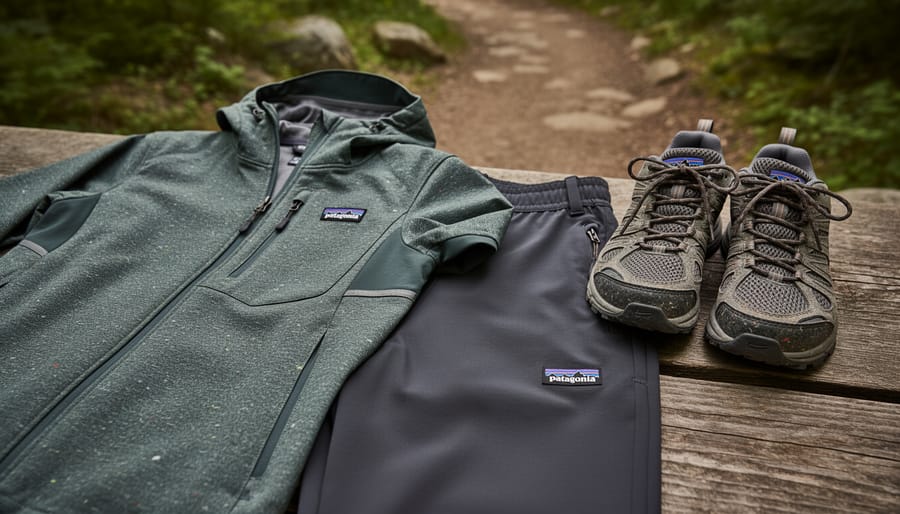
Patagonia didn’t just jump on the sustainability bandwagon, they’ve been steering it since the ’70s. As a bluesign partner, they meet rigorous standards for safer chemistry and responsible production throughout their entire supply chain, which means the gear you’re wearing actually backs up its eco-friendly claims with verified impact data. No greenwashing here.
What sets Patagonia apart is how they’ve woven environmental activism into their brand DNA. They’re not shy about calling out overconsumption (remember their “Don’t Buy This Jacket” campaign?), and they’ve built a community of adventure seekers who care as much about protecting wild places as exploring them. Their Worn Wear program encourages you to repair and reuse instead of replacing, which honestly feels refreshing in a world that pushes constant upgrades.
The actual gear lives up to the hype too. Their Better Sweater fleece has become a trail staple for good reason, it’s warm, durable, and made with recycled materials. The Nano Puff jacket packs down small but delivers serious insulation, perfect for unpredictable mountain weather. For wet conditions, their Torrentshell uses waterproof technology that doesn’t rely on harmful chemicals, thanks to that bluesign certification.
Patagonia proves you don’t have to choose between performance and principles. Their jackets handle backcountry conditions while their manufacturing processes handle resource efficiency and supply chain responsibility. They’ve inspired an entire generation of outdoor enthusiasts to demand better from the brands they support, and they’re still raising the bar for what responsible outdoor apparel looks like in practice.
2. Arc’teryx, Technical Performance Meets Sustainability
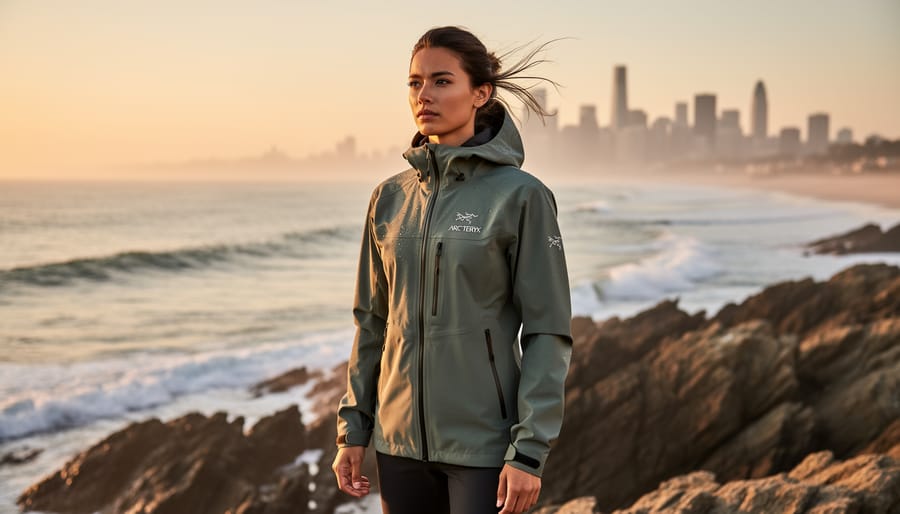
Arc’teryx commands attention wherever it appears, whether clinging to a granite face in the Coast Mountains or turning heads on a rainy Vancouver street. This Vancouver-based brand has earned its premium reputation by obsessing over the details most outdoor companies overlook, and their commitment extends beyond performance to how their gear gets made.
As a bluesign partner, Arc’teryx integrates verified environmental standards throughout their manufacturing processes. The certification means they’re actively reducing impact through safer chemistry and resource efficiency, not just making vague sustainability promises. Their factories follow strict protocols around textile production, water use, and chemical management, the kind of behind-the-scenes work that matters when you’re building gear meant to last decades.
What sets Arc’teryx apart is how they’ve made technical innovation look effortless. Their jackets feature taped seams you can barely see, articulated patterning that moves with your body, and fabrics that somehow manage to be simultaneously bombproof and packable. The aesthetic is unmistakably sleek, clean lines, minimal branding, a palette that transitions seamlessly from backcountry to downtown. Urban adventurers gravitate toward pieces like their Gamma and Beta series precisely because they don’t scream “I’m outdoor gear,” yet deliver when conditions turn serious.
The price point reflects the precision engineering and responsible production methods, but for many, that’s the trade-off worth making. You’re investing in gear designed to withstand real use while supporting manufacturing processes that prioritize both performance and environmental responsibility. It’s technical excellence with a conscience, rooted in Canada’s outdoor culture.
3. The North Face, Accessible Adventure Gear with Impact
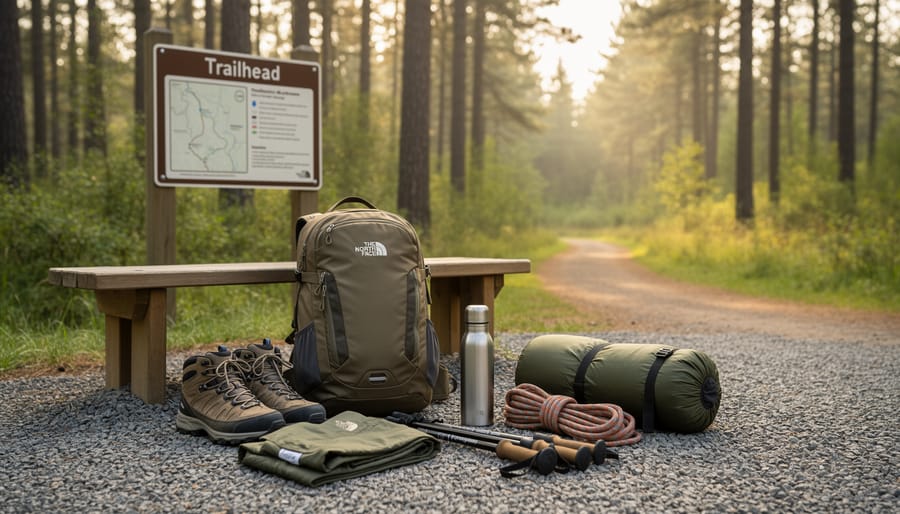
The North Face has earned its reputation as the go-to brand for outdoor enthusiasts who want performance without compromise, and their bluesign partnership proves that accessibility and environmental responsibility aren’t mutually exclusive. Whether you’re summiting your first peak or just need a reliable jacket for unpredictable weather, The North Face delivers gear that works across skill levels and budgets while maintaining verified environmental standards.
What sets this brand apart is their extensive product range. From technical mountaineering shells to everyday fleeces and insulated jackets, they’ve built a collection that serves hikers, climbers, trail runners, and urban explorers alike. Their commitment to safer chemistry and supply chain solutions through bluesign certification means you’re investing in pieces manufactured with reduced environmental impact, without sacrificing the durability and weather resistance the brand’s known for.
The North Face makes sustainable outdoor style genuinely attainable. Their widespread retail presence means you can actually see and try gear before buying, and their diverse price points accommodate adventurers at different stages of their outdoor journey. Popular pieces like their Venture jackets and Denali fleeces have become staples precisely because they balance performance with practicality.
Their focus on verified impact data demonstrates real accountability. Rather than vague sustainability claims, The North Face works within bluesign’s framework to address manufacturing processes and resource efficiency across their supply chain. This transparency matters when you’re building a thoughtful outdoor wardrobe.
For everyday adventurers who want reliable gear without greenwashing, The North Face proves that responsible production can scale. They’ve made environmental consciousness part of their mainstream appeal, which ultimately raises the bar industry-wide.
4. Norrona, Scandinavian Design with Purpose
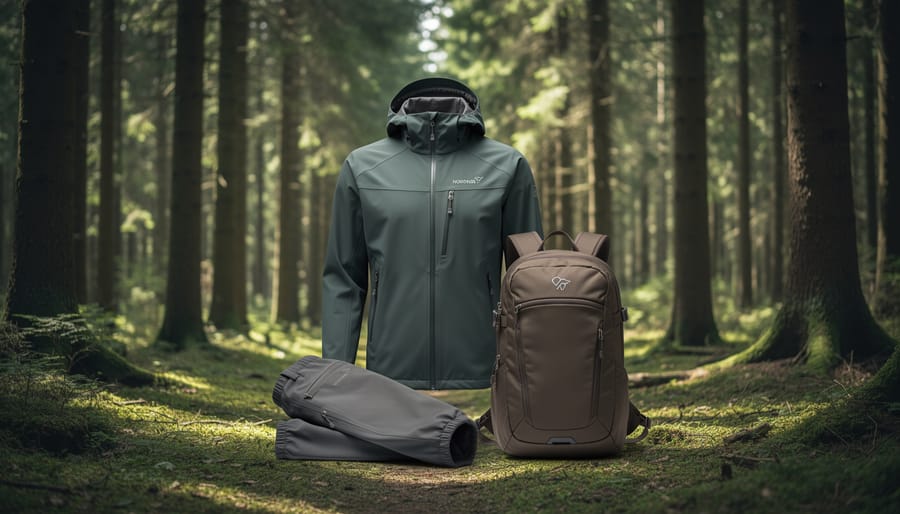
If sleek minimalism speaks your design language, Norway’s Norrona delivers outdoor performance stripped to its essential elements. This bluesign partner has built its reputation on the Scandinavian philosophy that less can genuinely be more, designing gear meant to outlast fleeting trends and function flawlessly across seasons.
Norrona’s approach stands out in a market cluttered with flashy logos and seasonal collections. Their pieces feature clean lines, muted colour palettes, and thoughtful details that work as beautifully on city streets as they do on mountain trails. It’s outdoor apparel that doesn’t announce itself, yet quietly performs when conditions get rough.
What makes this brand particularly compelling for conscious consumers is their commitment to resource-efficient manufacturing processes. Meeting bluesign standards means Norrona prioritizes safer chemistry throughout their production, reducing environmental impact without compromising the technical performance serious adventurers demand. They build jackets, base layers, and pants engineered to handle years of hard use rather than encouraging you to buy new each season.
That durability-first mindset resonates with fashion-forward shoppers tired of disposable trends. Norrona proves that timeless design and environmental responsibility aren’t opposing values. When a shell jacket maintains its waterproofing through countless storms and still looks sharp five years later, that’s sustainable style in action.
5. REI Co-op, Community-Driven Outdoor Essentials
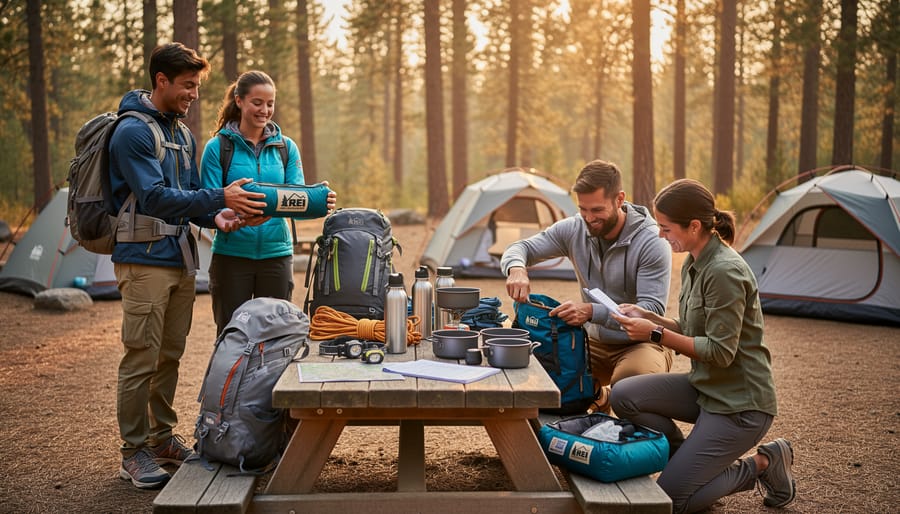
REI Co-op stands apart in the outdoor apparel world through its member-owned cooperative structure, which means profits flow back to the community rather than shareholders. This unique model shapes everything from product design to environmental commitments, creating gear that genuinely serves outdoor enthusiasts while meeting bluesign standards for safer chemistry and responsible manufacturing.
Their in-house brand delivers straightforward, functional pieces that transition seamlessly from weekend hikes to everyday wear. You’ll find moisture-wicking base layers, packable rain shells, and insulated jackets that prioritize durability over fleeting trends. The designs lean practical rather than flashy, perfect for adventurers who care more about trail performance than turning heads in the city.
What makes REI particularly compelling is their transparency around environmental practices. As a bluesign partner, they commit to verified impact data and supply chain solutions that reduce both environmental and social risks throughout production. Their manufacturing processes emphasize resource efficiency, and they openly share progress on reducing chemical use and waste.
The cooperative model also means REI actively supports outdoor communities through education, advocacy, and access initiatives. When you buy their gear, you’re supporting a brand that reinvests in trail stewardship, outdoor skills programs, and making adventure accessible to people who’ve historically been excluded from these spaces. It’s outdoor apparel with a conscience and a community behind it.
6. Jack Wolfskin, European Outdoor Style Goes Green
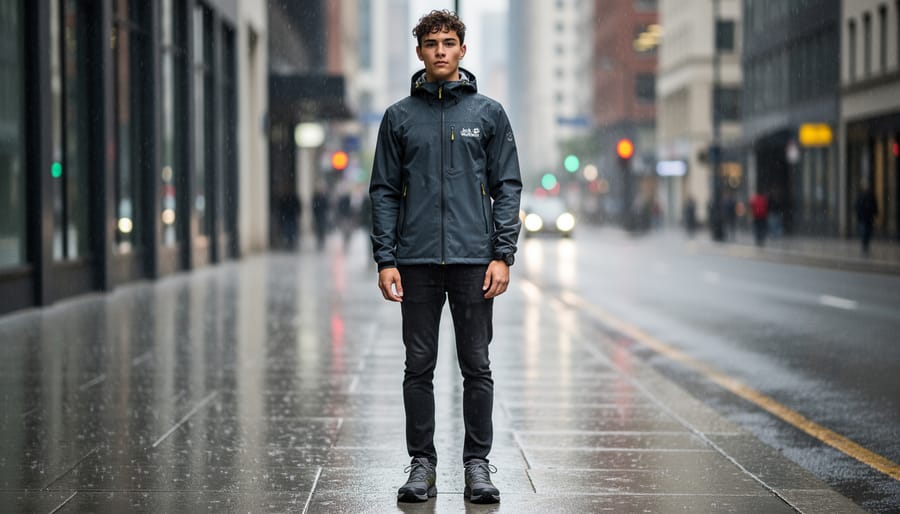
Jack Wolfskin brings a distinctly European perspective to the sustainable outdoor apparel conversation, and their bluesign partnership proves you don’t need to choose between continental style and environmental responsibility. Founded in Germany, this brand has built a reputation for designs that work just as well navigating cobblestone streets as they do hiking alpine trails, a versatility that resonates with adventurers who want gear that fits their entire lifestyle, not just their weekend escapes.
What sets Jack Wolfskin apart is their commitment to supply chain responsibility through bluesign’s verified standards. They’re tackling environmental impact at the manufacturing level, focusing on safer chemistry and resource efficiency across their production processes. This isn’t greenwashing, it’s measurable change backed by third-party verification.
Their apparel translates technical performance into wearable, city-friendly silhouettes. Think weather-resistant jackets with clean lines that layer over your favorite jeans, or packable shells in understated colorways that don’t scream “I’m going camping.” It’s outdoor gear designed for people who refuse to compartmentalize their wardrobe, who want pieces that transition seamlessly from morning trail runs to afternoon coffee dates.
For the fashion-conscious adventurer seeking European design sensibility without compromising on environmental values, Jack Wolfskin delivers both substance and style. Their bluesign partnership ensures your purchase supports responsible manufacturing practices while keeping your look polished, wherever the day takes you.
7. Polartec, The Fabric Innovator Behind Your Favorite Gear
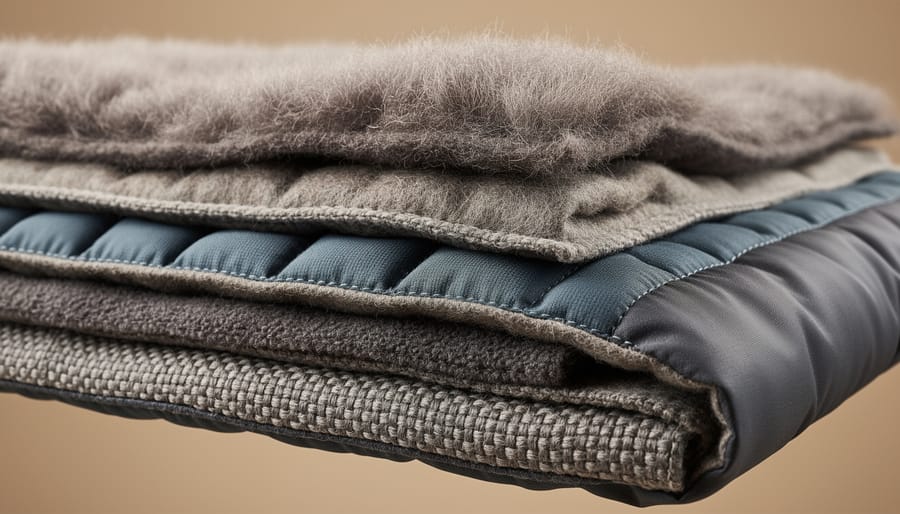
You probably own something made with Polartec fabric without even realizing it. This Massachusetts-based textile manufacturer partners with bluesign to engineer the high-performance materials that countless outdoor brands build their gear around. Their fleece, insulation, and base layer fabrics show up in everything from your favorite hiking jacket to technical running layers.
What sets Polartec apart is their commitment to innovation that pushes the entire industry forward. By working with bluesign on safer chemistry and resource-efficient manufacturing processes, they’re proving that cutting-edge performance fabrics don’t require harmful materials or wasteful production. When they develop a new sustainable textile technology, dozens of brands benefit.
This matters more than you might think. The fabric itself determines how your gear performs, how long it lasts, and what environmental impact it carries. A durable Polartec fleece that holds up for years beats fast-fashion alternatives that pill and fade after one season. Understanding your materials transforms shopping from guessing games into informed choices.
Look for Polartec labels when you’re browsing outdoor apparel. Their presence signals that the brand you’re buying from values technical performance and environmental responsibility. It’s a practical step toward building a zero-waste lifestyle that extends beyond beauty products into your entire wardrobe. Quality fabrics mean fewer replacements, less landfill waste, and gear that actually keeps you comfortable on the trail.
8. Gore-Tex, Waterproof Technology, Reduced Impact
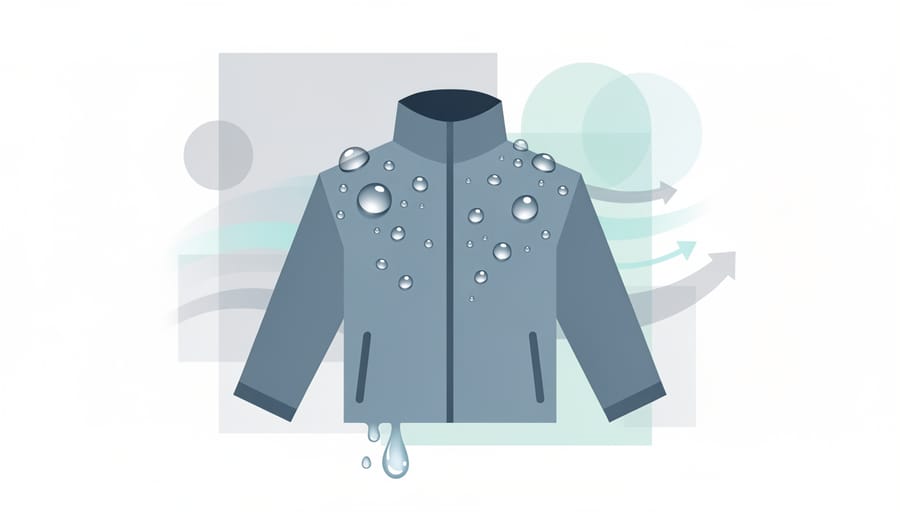
Gore-Tex isn’t a brand you pull off the rack, it’s the invisible tech woven into your favorite jackets, making them reliably waterproof and breathable when the skies open up. As a bluesign textile partner, Gore-Tex has shifted how the industry thinks about high-performance fabrics, proving that cutting-edge protection doesn’t require cutting corners on chemistry or resource use.
Their ePE membrane technology marks a major leap: it delivers the same legendary waterproofing without the environmental baggage of older formulations. Safer chemistry throughout manufacturing means fewer toxins released during production, and resource efficiency translates to less waste at every stage. When you spot that little Gore-Tex tag inside a jacket, you’re seeing the result of years of supply chain refinement aimed at lowering impact without sacrificing performance.
What makes Gore-Tex particularly influential is how broadly their innovation reaches. Brands like Patagonia, Arc’teryx, and The North Face all rely on Gore-Tex fabrics to power their own lines, which means one company’s commitment to bluesign standards ripples across dozens of products. Whether you’re tracking the latest outerwear trend or stocking up on quilted clothing for winter, chances are Gore-Tex tech is quietly doing the heavy lifting.
The takeaway: fabric innovation drives industry-wide change. Supporting brands that use bluesign-certified materials like Gore-Tex means voting for a cleaner, more responsible outdoor apparel landscape with every purchase.
What to Look for When Shopping Sustainable Outdoor Apparel
Shopping for sustainable outdoor apparel doesn’t have to mean compromising on performance, you just need to know what to look for. Start by checking for third-party certifications that verify a brand’s environmental claims rather than taking marketing language at face value. Bluesign certification signals that a brand has committed to safer chemistry, reduced resource use, and responsible manufacturing processes throughout their supply chain, which sets them apart from companies making vague “eco-friendly” promises without backup.
Ask questions about material sourcing and production practices when you’re shopping. Brands genuinely invested in sustainability will transparently share where and how their gear is made, what happens to textile waste, and how they’re reducing their carbon footprint. If that information isn’t readily available on their website or product tags, it’s worth reaching out directly, responsible companies are typically eager to talk about their practices.
Building a sustainable outdoor wardrobe means prioritizing quality and versatility over quantity. Invest in well-made pieces that’ll last through multiple seasons and adventures rather than chasing trendy items that won’t hold up on the trail. Look for timeless designs that work across different activities, a waterproof shell that transitions from backcountry hiking to urban commutes, or base layers that perform in multiple conditions. When your gear lasts longer and serves multiple purposes, you’re naturally reducing consumption while getting more value from each purchase.
Your Trail-Ready Wardrobe, Thoughtfully Sourced
Building a trail-ready wardrobe doesn’t mean compromising your values, or your style. The outdoor apparel brands featured here prove that performance, design, and environmental responsibility can coexist. By choosing bluesign partners and brands with verified impact data, you’re supporting safer chemistry practices, responsible supply chains, and manufacturing processes that reduce harm at every stage.
Every piece you add to your closet is a vote for the kind of industry you want to see. Whether you’re drawn to Patagonia’s activism, Arc’teryx’s technical innovation, or the accessible quality of The North Face and REI, you’re part of a community raising the bar for what outdoor brands should deliver.
What sustainable outdoor brands are you loving right now? Have you discovered a bluesign partner that deserves more attention, or do you have styling tips for taking eco-conscious gear from trail to town? Share your finds and favorite looks with the Stylin’ With Sarah community, we’re always ready to explore new paths together.
Frequently Asked Questions
What exactly is bluesign certification and why should I care?
Bluesign certification means a brand partners with an independent system that verifies safer chemistry, responsible manufacturing processes, and reduced environmental impact across the textile supply chain. It matters because it gives you verified data instead of vague sustainability marketing, so you know the outdoor apparel you’re buying meets measurable standards for resource efficiency and responsible production.
How can I tell if a brand’s sustainability claims are legit?
Look for specific third-party certifications like bluesign rather than general eco-friendly language. Check if the brand provides transparent information about their manufacturing processes, supply chain practices, and actual impact data, brands serious about sustainability share details, not just buzzwords.
Does sustainable outdoor gear actually perform as well as conventional brands?
Absolutely. Brands meeting bluesign standards, like Patagonia, Arc’teryx, The North Face, and textile innovators like Gore-Tex and Polartec, deliver the same technical performance you expect from outdoor apparel while using safer chemistry and more efficient manufacturing. You’re not sacrificing function for values.
What’s the best way to make my outdoor apparel last longer?
Wash less frequently (spot-clean when possible), use gentle detergents without fabric softeners, air-dry instead of using high heat, and repair small tears or worn spots rather than replacing the whole piece. Proper care extends the life of your gear and reduces the need to buy new, which is the most sustainable choice you can make.
Are there different levels of sustainability in outdoor apparel, or is it all-or-nothing?
Sustainability exists on a spectrum. Some brands focus on safer chemistry in manufacturing, others prioritize resource efficiency or supply chain transparency, and the strongest commitments address multiple areas with verified impact data. Starting with bluesign partners gives you a reliable baseline, then you can dig deeper into each brand’s specific practices and priorities based on what matters most to you.
When you’re ready to invest in outdoor apparel that aligns with your values, you’ll find that asking the right questions makes all the difference. The brands featured in this guide aren’t perfect, but they’re committed to transparent practices and measurable progress. That commitment shows up in how they communicate about their processes, the certifications they pursue, and the innovation they bring to everything from fabric development to finished jackets.
Shopping sustainably doesn’t mean compromising on the performance you need on the trail or the style you want in the city. The outdoor industry has evolved to a point where environmental responsibility and technical excellence go hand in hand, especially among brands working with verified systems like bluesign to reduce their impact. You can gear up for your next adventure knowing your choices support better manufacturing practices and a healthier planet.