 sarah
sarah Canadian fashion is a distinct style movement shaped by our climate extremes, multicultural identity, and growing roster of independent designers who blend function with creativity. Unlike fashion markets defined by a single aesthetic, Canada’s scene reflects regional diversity: West Coast minimalism meets Prairie practicality, while East Coast heritage mixes with Toronto’s urban edge and Montreal’s European-influenced elegance.
What makes Canadian fashion worth understanding in 2026 is how our industry has carved out global recognition without abandoning what makes us different. We’ve stopped trying to copy New York or Paris. Instead, designers like Sid Neigum, UNTTLD, and Beaufille are building reputations on technical innovation, sustainable production, and clothes that actually work in minus-thirty winters and plus-thirty summers. That duality, the need for a parka that’s both warm and flattering, has become our signature.
This guide breaks down what Canadian fashion actually means, how the ecosystem operates from emerging brands to retail, the movements shaping our style right now, and how you can support and participate in this community. Whether you’re hunting for your next favourite local label or just curious why everyone’s suddenly talking about Canadian design, you’ll walk away understanding the forces behind our fashion identity and the names driving it forward. The conversation around Canadian fashion has shifted from apologetic to assertive, and that confidence is reshaping closets across the country.
What Canadian Fashion Really Means
Canadian fashion isn’t just parkas and plaid, though we do both exceptionally well. What sets our style apart is how we’ve turned environmental necessity into creative opportunity. When you’re designing for a place where temperatures can swing 40 degrees between seasons, you learn to build clothing that works harder. That practical foundation runs through everything from a Toronto streetwear brand’s technical joggers to a Vancouver label’s waterproof-yet-elegant trench.
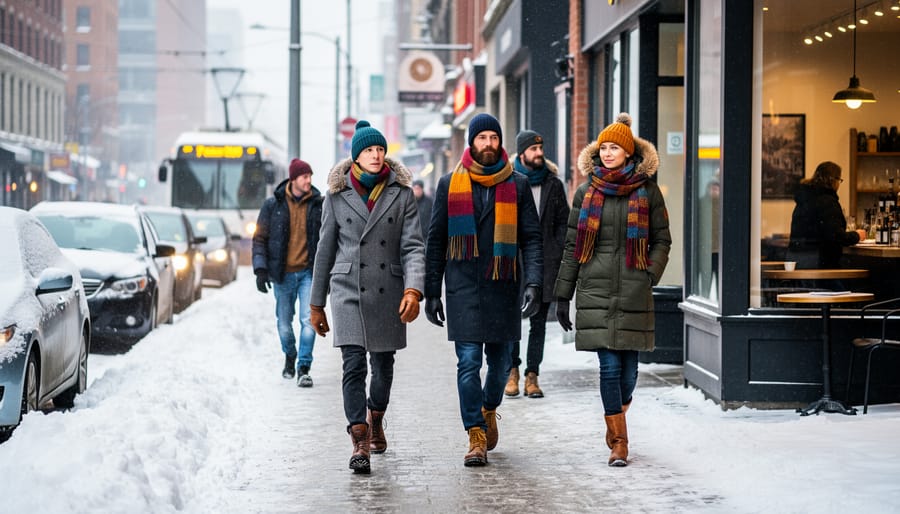
The climate demands versatility, so Canadian fashion celebrates pieces that transition. A blazer needs to layer over a turtleneck in March and stand alone in August. Boots have to handle slush without looking clunky. This isn’t compromise, it’s a design philosophy that values adaptability as much as aesthetics. We’ve stopped apologizing for functional fashion and started owning it as our signature.
Cultural diversity shapes our fashion landscape in ways American and European markets can’t replicate. Indigenous designers are reclaiming space in the industry, weaving traditional techniques and storytelling into contemporary silhouettes. Beadwork appears on denim jackets, Cowichan knits inspire modern knitwear, and Coast Salish patterns inform graphic design. This isn’t appropriation, it’s Indigenous creators controlling their own narratives through fashion.
French-Canadian influence brings a different energy, particularly in Montreal’s fashion scene. There’s an effortless sophistication there, a European sensibility filtered through North American practicality. Clean lines, quality fabrics, a certain restraint that feels both cosmopolitan and approachable.
Then layer in the style perspectives of communities from South Asia, the Caribbean, East Asia, the Middle East, and beyond. Toronto street style reflects this mix daily, a hijab paired with Canadian-made sneakers, a vintage Hudson’s Bay point blanket coat over contemporary tailoring, saris reimagined as evening wear by second-generation designers.
Geography matters too. West Coast fashion leans athletic and outdoorsy, shaped by mountain proximity and rain. Prairie style embraces bold prints and statement pieces against vast landscapes. East Coast fashion carries maritime heritage and a certain rugged elegance.
What emerges isn’t a single Canadian look but a fashion identity built on inclusivity, adaptability, and the confidence to define style on our own terms rather than mimicking New York or Paris.
How the Canadian Fashion System Works
From Studio to Street: The Design Journey
Canadian designers navigate a complex path from initial sketch to finished garment hanging in your closet. Most start by developing their collections in design hubs like Toronto’s Garment District or Montreal’s Mile End, where they source fabrics, often imported, since Canada’s textile manufacturing shrunk dramatically in the 1990s. This creates the first major hurdle: minimum order quantities from overseas suppliers can be prohibitively expensive for emerging designers working on small runs.
Production presents another challenge. While some high-end designers manufacture entirely in Canada at facilities in Montreal or Toronto, many adopt a hybrid approach, sampling locally, then producing larger runs abroad to manage costs. A growing number partner with ethical manufacturers in Portugal or Peru who offer quality craftsmanship at mid-tier pricing.
Getting products to market happens through several channels. Established designers show at Toronto or Vancouver Fashion Week to attract buyers from boutiques and department stores like Hudson’s Bay or Holt Renfrew. Emerging brands often bypass traditional retail entirely, launching direct-to-consumer through their own websites and Instagram shops, a strategy that preserves margins but demands serious marketing skills.
Pop-up shops, markets like Toronto’s One of a Kind Show, and consignment arrangements with local boutiques help newer designers build visibility without massive upfront investment. Some leverage Canadian incubators like the Fashion Zone in Toronto, which provides mentorship, production contacts, and retail connections that compress the typically grueling journey from studio to street.

The Role of Canadian Fashion Weeks and Events
Fashion weeks and major industry events function as the heartbeat of Canada’s fashion ecosystem, creating concentrated moments where designers, buyers, media, and style enthusiasts converge. These showcases don’t just display clothing, they set the agenda for upcoming seasons, forge business connections, and amplify Canadian talent to international audiences who might otherwise overlook our market.
Toronto, Montreal, and Vancouver each host seasonal fashion weeks that reflect their city’s distinct aesthetic. Toronto Fashion Week leans contemporary and commercial, attracting department store buyers and mainstream media. Montreal’s events celebrate avant-garde design and the city’s European sensibility, often showcasing experimental concepts alongside ready-to-wear. Vancouver Fashion Week emphasizes sustainability and Pacific Rim influences, drawing attention to eco-conscious designers and Asia-Pacific trade connections.
Beyond these major markets, specialized events have carved out essential space for underrepresented voices:
- Toronto Fashion Week, Contemporary ready-to-wear with commercial appeal and mainstream media coverage
- Montreal Fashion Week, Avant-garde design, French-Canadian elegance, and experimental concepts
- Vancouver Fashion Week, Sustainability focus, Pacific Rim influences, and eco-conscious innovation
- Indigenous Fashion Week Toronto, Platform dedicated to Indigenous designers, cultural storytelling, and traditional techniques
These events generate immediate impact through runway coverage and social media buzz, but their real value unfolds over months as buyers place orders, collaborations form, and emerging designers gain credibility. A strong fashion week showing can mean the difference between struggling for recognition and securing stockists across the country. For Canadian designers competing against established international brands, these platforms offer rare opportunities to command attention on home turf and prove their work deserves shelf space alongside global names.
Types of Canadian Fashion Movements
Climate-Driven Performance Fashion
Canada’s brutal winters and unpredictable springs forced our designers to solve a problem most fashion capitals never face: how do you look good when the temperature drops to minus thirty? The answer became our global calling card. Canadian brands pioneered technical outerwear that doesn’t sacrifice style for warmth, developing proprietary insulations, waterproof breathable fabrics, and ergonomic designs that move with your body instead of restricting it.
This category goes beyond parkas. Think seamless-knit base layers engineered for moisture management, packable down pieces light enough to stuff in a tote, and wind-resistant shells cut with urban silhouettes. The innovation extends to accessories too, touchscreen-compatible gloves, merino wool toques that actually fit under hood structures, and boots rated for ice traction that don’t look clunky.
What sets Canadian performance fashion apart is the refusal to treat function and aesthetics as competing priorities. Our designers understand that a coat protecting you through a February commute also needs to work in a heated office, transition to evening plans, and last for years. That pragmatic versatility, born from necessity, now defines the category worldwide.
Sustainable and Ethical Design
Canada has become a quiet leader in sustainable fashion, driven less by marketing hype and more by genuine commitment to transparency and local manufacturing. Our relatively small fashion industry means many brands can maintain direct relationships with their production facilities, often within the same province, making it easier to ensure fair wages and safe conditions.
The slow fashion movement has found fertile ground here. Canadian designers like Encircled, Kowtow, and Pedder Road build collections around timeless pieces made to last seasons, not weeks. They publish detailed supply chain information, use organic or recycled materials, and design for versatility rather than disposability. This approach resonates with Canadian consumers increasingly skeptical of fast fashion’s environmental toll.
Local production has shifted from necessity to selling point. Brands like SMYTHE manufacture entirely in Canada, accepting higher costs for quality control and reduced carbon footprint. Others partner with domestic textile mills experimenting with innovative sustainable fabrics, think recycled fishing nets or plant-based leather alternatives developed in Canadian labs.
This ethical focus isn’t just boutique brands. Even mainstream Canadian retailers face pressure to improve transparency, with consumers demanding to know where their clothes come from and who made them.
Indigenous and Culturally Rooted Fashion
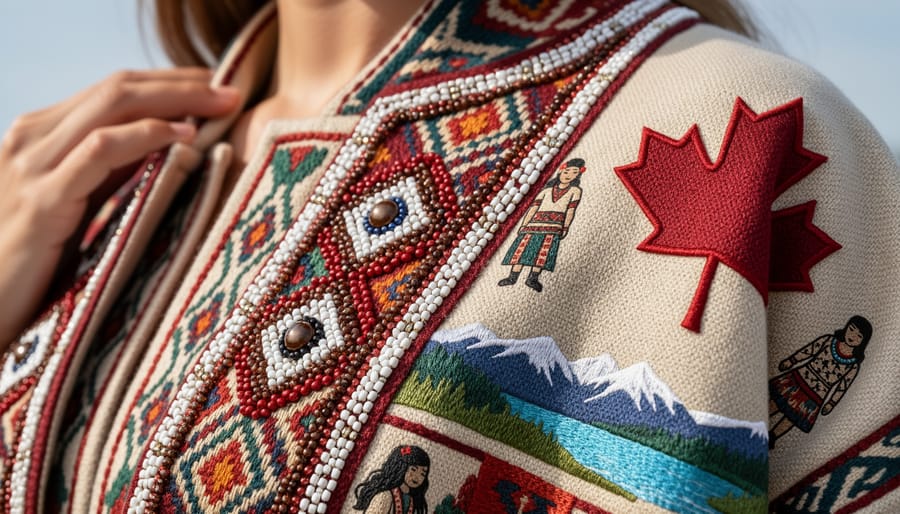
Indigenous designers are reclaiming space in Canadian fashion with work that goes far beyond surface aesthetics. Artists like Lesley Hampton, Evan Ducharme, and Jolene Manypenny weave traditional knowledge, beadwork techniques, and ancestral patterns into contemporary silhouettes that challenge colonial narratives while celebrating living cultures. This isn’t costume, it’s modern design rooted in centuries of craft expertise, using fashion as a form of cultural continuity and political voice.
Beyond Indigenous leadership, Canada’s multicultural fabric shows up in collections that draw from South Asian embroidery traditions, Caribbean colour palettes, and Middle Eastern textile techniques. Designers from immigrant communities bring distinct visual languages that expand what “Canadian style” means, creating garments that honour heritage while speaking to contemporary identity. These culturally rooted perspectives resist homogenization, offering alternatives to the dominant minimalist aesthetic often associated with Canadian fashion. The result is a richer, more honest representation of who actually lives here, and a fashion landscape that reflects the complexity of Canadian identity rather than flattening it.
How Canadian Fashion Is Used and Applied
Canadian fashion isn’t just about looking good. It’s about functioning in a country where you might face minus 30 in January and plus 30 in July. The way we dress reflects that reality, and our style has evolved into a distinctly practical-yet-polished approach that works across seasons and settings.
Layering is our superpower. While Europeans might layer for aesthetics, Canadians layer for survival that happens to look intentional. A typical autumn outfit might start with a breathable base, add a merino sweater, top it with a structured blazer, and finish with a technical shell jacket. Each piece works independently but creates a cohesive look together. This modular approach means you’re prepared whether you’re indoors at 22 degrees or outside in a surprise cold snap.
The versatile capsule wardrobe thrives here because our climate demands it. Canadians have mastered the art of pieces that transition seamlessly:
- Base layers in merino or technical fabrics that regulate temperature year-round without adding bulk
- Mid-weight knits and cardigans that bridge seasons and dress up or down effortlessly
- Tailored outerwear designed to fit over multiple layers while maintaining a polished silhouette
- Quality boots and shoes that handle wet conditions without sacrificing style
Workplace dressing in Canada skews more casual than traditional corporate centres, but polished comfort is the goal. You’ll see blazers paired with dark denim, ankle boots that work in snow and boardrooms, and scarves that add personality while serving a functional purpose. The commute matters too, many professionals keep desk shoes at the office and wear weather-appropriate footwear for the journey.
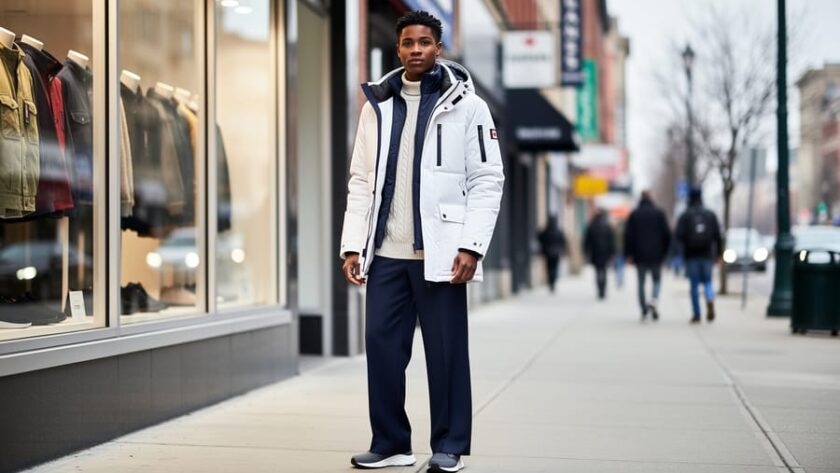
Street style across Canadian cities showcases our signature blend. In Toronto’s Distillery District or Montreal’s Plateau, you’ll spot oversized puffer jackets styled with tailored trousers, sleek athleisure that transitions from yoga class to coffee date, and statement outerwear that becomes the outfit’s focal point. We’ve learned to make our necessary winter gear the hero piece rather than hiding it.
Special occasions require the same strategic thinking. Wedding guests in spring might bring a chic jacket for outdoor photos, while summer event-goers always have a layer ready for over-air-conditioned venues. It’s fashion with foresight, and it’s become our defining characteristic.
Canadian Brands Shaping the Scene in 2026
Canadian fashion has never been more exciting, with homegrown brands earning international recognition while staying rooted in our communities. The labels shaping our style in 2026 range from accessible everyday staples to luxury houses competing on global runways.
Heritage powerhouses like Canada Goose continue pushing technical innovation beyond parkas, while Montreal’s Mackage delivers leather and outerwear that bridges European elegance with Canadian durability. These established names set quality benchmarks that newer labels aspire to match.
Accessible everyday brands have matured significantly. Frank And Oak remains a go-to for sustainable basics and workwear that transitions seamlessly between office and weekend. Smythe, though edgier than your typical mall brand, offers blazers and tailored pieces that feel distinctly Canadian, structured but never stiff, polished but wearable in real life.
Emerging designers are where the real energy lives right now. Vancouver’s Still Life Studio creates minimalist, architecture-inspired pieces from deadstock fabrics. Toronto’s VLDN combines streetwear sensibility with luxury fabrication, while Montreal’s Hilary MacMillan delivers colour and drama that feels celebratory rather than costume-y.
Indigenous designers are gaining the platform they’ve long deserved. Valentina Nessi Kaarhus blends Sami heritage with contemporary silhouettes, and brands like Lesley Hampton showcase how cultural storytelling elevates fashion beyond trends into meaningful expression.
Supporting these labels means more than buying Canadian, it’s investing in a fashion ecosystem that values craftsmanship, pays fair wages, and creates jobs in our communities. Most of these brands manufacture domestically or work with ethical overseas partners they visit regularly. You’re not just getting a garment; you’re backing a vision of what fashion can be when profit isn’t the only measure of success.
Shopping local also connects you to a community. Many Canadian designers engage directly with customers through social media, pop-ups, and collaborations that make fashion feel participatory rather than dictated from distant runways.
Common Questions About Fashion in Canada
The questions people ask most about Canadian fashion reveal both curiosity and confusion, so let’s clear things up.
How does Canadian fashion actually differ from American style?
Canadian fashion prioritizes functional layering and weather-appropriate design without sacrificing aesthetics, whereas American fashion tends toward trend-driven pieces less concerned with climate. You’ll also notice stronger emphasis on sustainable production and multicultural influences in Canadian collections.
What makes a brand legitimately Canadian?
A brand is Canadian if it’s owned by Canadians and designs here, though manufacturing may happen elsewhere due to our limited production infrastructure. The most authentic Canadian brands handle both design and production domestically, but even internationally-manufactured pieces can represent genuine Canadian design vision.
How do Canadians actually dress for minus-30 winters and plus-30 summers?
We master strategic layering, lightweight base layers, insulating mid-layers, and weather-resistant outer shells that can be added or removed. Investing in versatile transitional pieces like quality merino knits and packable jackets means your wardrobe works across our extreme temperature swings.
Where can I find genuinely Canadian-made clothing?
Look for brands like Naked & Famous Denim, SMYTHE, and Peace Collective that produce domestically, or shop curated retailers like GoodHuman and Common Sort that specifically stock Canadian designers. Local markets and independent boutiques in cities like Toronto, Montreal, and Vancouver often feature emerging Canadian talent.
How do I spot authentic Canadian design versus rebranded fast fashion?
Check where the design studio is located, read the brand story for Canadian roots, and look for transparent production information. Authentic Canadian brands typically share their manufacturing process, use quality materials suited to our climate, and often emphasize sustainability over mass production.
Is Canadian fashion actually more expensive than imported options?
Quality Canadian pieces often cost more upfront due to ethical production and smaller runs, but they’re built to last through harsh weather and multiple seasons. The cost-per-wear usually beats cheap imports that fall apart after one winter or fade by summer.
These answers scratch the surface, but the real learning happens when you start exploring Canadian brands yourself. Pay attention to how pieces are constructed, where they’re made, and whether the design philosophy actually addresses our unique climate and culture rather than copying international trends with a maple leaf slapped on.
Fashion in Canada is so much more than parkas and plaid. It’s a living, evolving expression of our resourcefulness, our multicultural identity, and our refusal to let a seven-month winter dim our style. We’ve built a fashion ecosystem that respects where we come from while pushing confidently into new creative territory.
The designers shaping this landscape deserve our attention and our dollars. When you choose Canadian-made pieces, you’re not just updating your wardrobe, you’re participating in a community that values craft, sustainability, and authentic storytelling through clothing. You’re supporting artists who understand exactly what it means to dress for our climate, our cities, and our values.
Canadian fashion has earned its place on the global stage, but it thrives when we champion it at home. Explore those local boutiques. Follow emerging designers on social media. Ask where your clothes come from.
Ready to dive deeper into the trends, brands, and style inspiration that define fashion in this country? Join the Stylin’ With Sarah community. We’re tracking every exciting development in Canadian fashion, and we’d love to have you along for the journey.